
The conversation you keep postponing may already be happening elsewhere in your organization. Colleagues are discussing the missed deadlines, compensating for the unfinished work, or wondering whether the behavior they witnessed will be addressed.
Your silence becomes part of their experience, even when your intention is to preserve a relationship.
This is one way the Approval Trap Leak™ can affect workplace culture. A leader cares about being considerate and fears that direct feedback will damage trust. The concern is understandable. Yet while the leader waits for the right moment, the rest of the team continues living with the problem.
Consider the people carrying the consequences
Imagine a capable employee who regularly speaks dismissively to colleagues. Their results are strong, and the manager worries that addressing their conduct will upset them. Meanwhile, other employees begin withholding questions or avoiding collaboration with that person.
The manager may experience postponement as a temporary decision. The team may experience it as permission for the behavior to continue.
Avoidance can also create uncertainty about standards. If deadlines are described as important but repeated misses receive no response, people are left to interpret what accountability actually means.
Before delaying again, ask who is absorbing the cost. Whose workload has increased? Who has stopped contributing? What expectation has become less credible?
Prepare for a useful conversation
Start with observable facts. “The last three reports arrived after the agreed deadline, and the finance team had to delay its review” gives both people something specific to examine.
Explain the impact and invite context. There may be conflicting priorities, insufficient training, or a process that makes the deadline unrealistic. There may also be a performance issue requiring a clear expectation and consistent follow through.
The conversation should end with an agreement about what happens next, who owns each action, and when progress will be reviewed. If expectations remain unmet, use the appropriate organizational process rather than continuing an indefinite cycle of reminders.
Your preparation also includes recognizing your own discomfort. Concern about being disliked can coexist with a responsibility to act fairly. You do not need to feel completely comfortable before communicating clearly.
Choose one concern you have been postponing. Write down the observable behavior, its effect, and the question you need to ask. Then decide when and how to address it, with appropriate support if the situation requires it.
Trust grows partly through knowing that difficult issues will receive thoughtful attention. The conversation may be uncomfortable, but leaving the team to manage its consequences has a cost of its own.
Fully Powered™ Leadership Begins With the Conditions We Create.
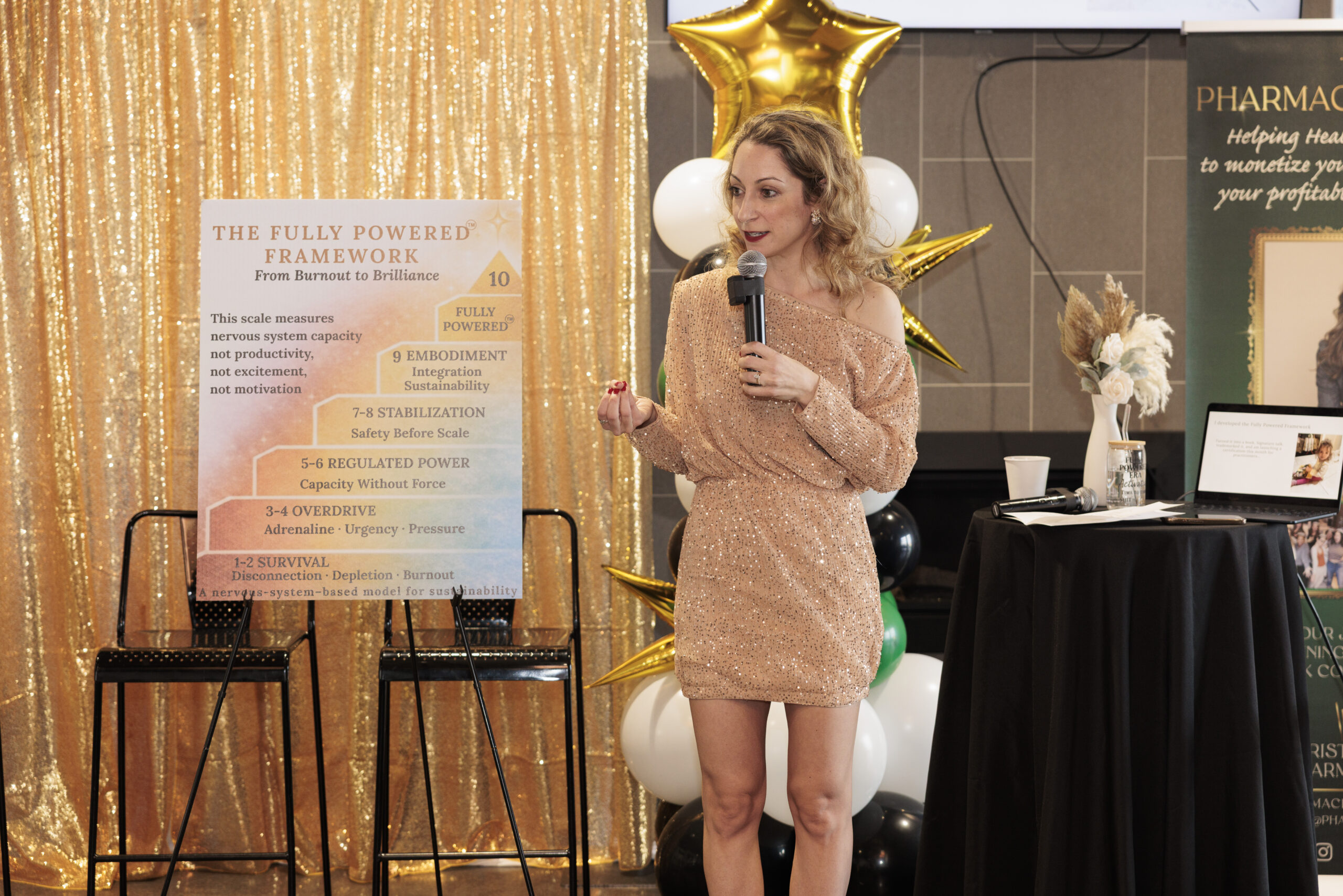
Dr. Christina Fontana helps organizations uncover the hidden patterns that compromise leadership effectiveness, psychological safety, and workplace performance. By integrating nervous system awareness, behavioral transformation, and the Fully Powered™ Leadership Framework, she helps leaders reclaim their power and unlock the brilliance, contribution, and potential of the people they already have.
Ready to Build a Fully Powered™ Organization?
Your people already have incredible potential. The question is: Are your leadership practices and workplace culture helping them thrive—or holding them back?
Through the Fully Powered™ Leadership Framework, I help organizations identify hidden Power Leaks™, strengthen psychological safety, and create the conditions where leaders and teams feel engaged, energized, and empowered to perform at their best.
Let’s explore what’s possible for your leaders, your people, and your organization.
📩 Email me: [email protected]
💬 Or send me a direct message on LinkedIn to start the conversation.
Because when leaders become Fully Powered™, people thrive—and organizations achieve stronger results.
Dr. Christina Fontana | Leadership Expert | Creator of the Fully Powered™ Leadership Framework