
Organizations are investing more attention in employee well-being than ever before.
Meditation apps. Wellness challenges. Mental health resources. Employee appreciation initiatives.
These resources can be valuable.
But here’s a question every organizational leader should consider:
What happens when employees return from a wellness activity to the same workplace conditions that contributed to their stress?
A meditation app cannot repair a culture where people are afraid to speak up.
An employee appreciation event cannot replace consistent respect and recognition.
And another resilience workshop cannot eliminate unrealistic expectations or unhealthy leadership behaviors.
If organizations want to prevent burnout and strengthen engagement, they must look beyond individual coping strategies.
They must examine leadership.
The Nervous System Doesn’t Leave When Employees Arrive at Work
Every employee brings a nervous system into the workplace.
Our nervous systems continually respond to cues of safety, uncertainty, connection, and potential threat.
When employees experience chronic workplace stress, unpredictable expectations, or repeated interpersonal conflict, their bodies may respond with heightened stress activation.
This can affect attention, emotional regulation, decision-making, and the ability to collaborate effectively.
Leaders don’t control every employee’s nervous system response.
However, they can influence the environment that contributes to those responses.
This is where leadership becomes a powerful component of burnout prevention.
Three Practical Strategies Leaders Can Implement Today
- Create psychological safety through curiosity.
Instead of immediately correcting an employee who shares a concern, ask:
“Tell me more about what you’re seeing.”
“What do you think we might be missing?”
“How can we approach this differently?”
Curiosity creates opportunities for open communication.
When employees believe their perspectives will be considered respectfully, they may be more willing to share ideas, identify problems, and participate in solutions.
- Strengthen nervous system awareness.
Leadership effectiveness isn’t only about what you say.
It’s also about how you respond under pressure.
When leaders become overwhelmed, they may communicate more abruptly, become reactive, or unintentionally transfer tension to their teams.
A practical strategy is to pause before responding to a stressful situation.
Notice your breathing.
Relax unnecessary physical tension.
Ask yourself, “Am I responding thoughtfully, or reacting from stress?”
These simple practices can help leaders respond with greater intention.
- Reinforce belonging and worth.
Recognition shouldn’t be reserved for major accomplishments.
Employees benefit from knowing their contributions matter.
Ask team members for their perspectives.
Acknowledge their strengths.
Explain how their work contributes to organizational goals.
These behaviors help create a culture where people feel valued rather than interchangeable.
The Business Case for Better Conditions
Through the Fully Powered™ Leadership Framework, I emphasize a critical connection:
Leadership influences conditions. Conditions influence behavior. Behavior drives performance.
When employees feel psychologically safe, valued, and connected, organizations create a stronger foundation for engagement and contribution.
That can support improved retention, collaboration, productivity, and organizational performance.
Burnout prevention is not simply about helping employees recover from exhaustion.
It’s about building a workplace where people have the conditions and support to thrive in the first place.
The future of leadership isn’t about asking people to do more with less.
It’s about helping people contribute more fully with the resources, relationships, and strengths already available.
Fully Powered™ Leadership Begins With the Conditions We Create.
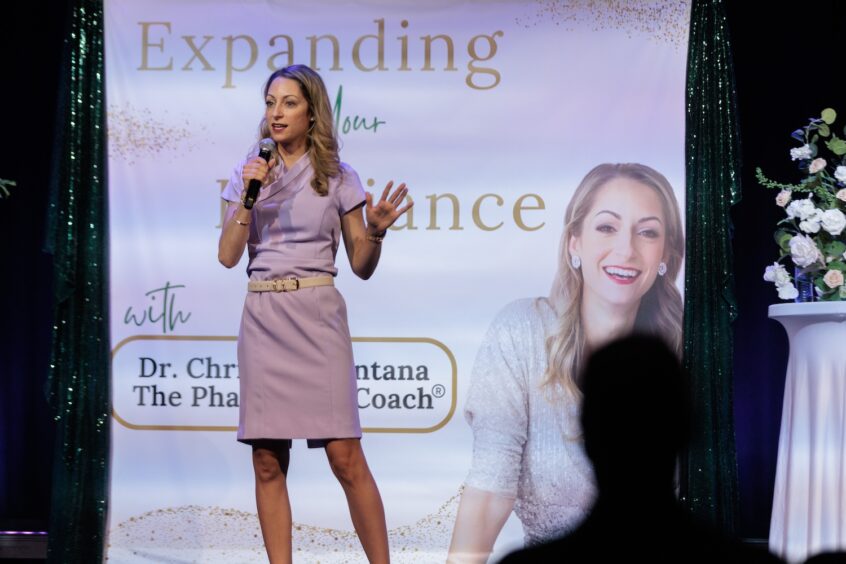
Dr. Christina Fontana helps organizations uncover the hidden patterns that compromise leadership effectiveness, psychological safety, and workplace performance. By integrating nervous system awareness, behavioral transformation, and the Fully Powered™ Leadership Framework, she helps leaders reclaim their power and unlock the brilliance, contribution, and potential of the people they already have.
Ready to Build a Fully Powered™ Organization?
Your people already have incredible potential. The question is: Are your leadership practices and workplace culture helping them thrive—or holding them back?
Through the Fully Powered™ Leadership Framework, I help organizations identify hidden Power Leaks™, strengthen psychological safety, and create the conditions where leaders and teams feel engaged, energized, and empowered to perform at their best.
Let’s explore what’s possible for your leaders, your people, and your organization.
📩 Email me: [email protected]
💬 Or send me a direct message on LinkedIn to start the conversation.
Because when leaders become Fully Powered™, people thrive—and organizations achieve stronger results.
Dr. Christina Fontana | Leadership Expert | Creator of the Fully Powered™ Leadership Framework